---
title: Timeless Period | Opitome Ltd
description: Traditional door hardware and traditional door handles crafted as luxury architectural hardware, combining timeless design with premium finishes and quality.
---
[](https://www.opitome.co.uk/)
[](https://www.opitome.co.uk/)
- About
- [About Us](https://www.opitome.co.uk/about-us)
- [Meet The Team](https://www.opitome.co.uk/meet-the-team)
- Design Services
- [Hardware](https://www.opitome.co.uk/architectural-design-hardware)
- [Handles](https://www.opitome.co.uk/bespoke-door-handle)
- [Door Knobs](https://www.opitome.co.uk/luxury-door-knobs)
- [Cabinet Handles](https://www.opitome.co.uk/architectural-cabinet-handles)
- [Window Hardware](https://www.opitome.co.uk/luxury-window-hardware)
- [Wardrobe Hardware](https://www.opitome.co.uk/wardrobe-rail)
- [Inspiration](https://www.opitome.co.uk/inspiration)
- Interior Styles
- [Classic Styles](https://www.opitome.co.uk/classic-styles)
- [Timeless Period](https://www.opitome.co.uk/timeless-period)
- [Art Deco](https://www.opitome.co.uk/art-deco)
- [Georgian Hardware](https://www.opitome.co.uk/georgian-hardware)
- [Halliday + Baillie](https://www.opitome.co.uk/halliday-baillie)
- Resources
- [Blog](https://www.opitome.co.uk/blog)
- [Downloads](https://www.opitome.co.uk/downloads)
- [Contact Us](https://www.opitome.co.uk/contact-us)
- [Sustainability](https://www.opitome.co.uk/sustainability)
- [FAQs](https://www.opitome.co.uk/frequently-asked-questions)
[](https://www.opitome.co.uk/hs/cta/wi/redirect?encryptedPayload=AVxigLKfEgtsap5UY6Z0jXejfh0v01rUp3nJk3OXHqfYrBSkGy9n%2FpbUt6ztFTFiwuLw%2FjPLRciRXu9XY6Q7qIRUZxtQ6dKVXKx5yDnq7ozfYRrXXLn0vUiM50g2vaQERZMT8oYQkfKFy5udcyT3WrlZXYHd9%2FGMytMbTHaXcQy34B1GEVEOgevCqQ56jpl4LGj6hBxfx2viW5LExaV4lw%3D%3D&webInteractiveContentId=315719321802&portalId=146364361)
[](https://www.opitome.co.uk/hs/cta/wi/redirect?encryptedPayload=AVxigLKfEgtsap5UY6Z0jXejfh0v01rUp3nJk3OXHqfYrBSkGy9n%2FpbUt6ztFTFiwuLw%2FjPLRciRXu9XY6Q7qIRUZxtQ6dKVXKx5yDnq7ozfYRrXXLn0vUiM50g2vaQERZMT8oYQkfKFy5udcyT3WrlZXYHd9%2FGMytMbTHaXcQy34B1GEVEOgevCqQ56jpl4LGj6hBxfx2viW5LExaV4lw%3D%3D&webInteractiveContentId=315719321802&portalId=146364361)
[](https://www.opitome.co.uk/hs/cta/wi/redirect?encryptedPayload=AVxigLKfEgtsap5UY6Z0jXejfh0v01rUp3nJk3OXHqfYrBSkGy9n%2FpbUt6ztFTFiwuLw%2FjPLRciRXu9XY6Q7qIRUZxtQ6dKVXKx5yDnq7ozfYRrXXLn0vUiM50g2vaQERZMT8oYQkfKFy5udcyT3WrlZXYHd9%2FGMytMbTHaXcQy34B1GEVEOgevCqQ56jpl4LGj6hBxfx2viW5LExaV4lw%3D%3D&webInteractiveContentId=315719321802&portalId=146364361)
- About
- [About Us](https://www.opitome.co.uk/about-us)
- [Meet The Team](https://www.opitome.co.uk/meet-the-team)
- Design Services
- [Hardware](https://www.opitome.co.uk/architectural-design-hardware)
- [Handles](https://www.opitome.co.uk/bespoke-door-handle)
- [Door Knobs](https://www.opitome.co.uk/luxury-door-knobs)
- [Cabinet Handles](https://www.opitome.co.uk/architectural-cabinet-handles)
- [Window Hardware](https://www.opitome.co.uk/luxury-window-hardware)
- [Wardrobe Hardware](https://www.opitome.co.uk/wardrobe-rail)
- [Inspiration](https://www.opitome.co.uk/inspiration)
- Interior Styles
- [Classic Styles](https://www.opitome.co.uk/classic-styles)
- [Timeless Period](https://www.opitome.co.uk/timeless-period)
- [Art Deco](https://www.opitome.co.uk/art-deco)
- [Georgian Hardware](https://www.opitome.co.uk/georgian-hardware)
- [Halliday + Baillie](https://www.opitome.co.uk/halliday-baillie)
- Resources
- [Blog](https://www.opitome.co.uk/blog)
- [Downloads](https://www.opitome.co.uk/downloads)
- [Contact Us](https://www.opitome.co.uk/contact-us)
- [Sustainability](https://www.opitome.co.uk/sustainability)
- [FAQs](https://www.opitome.co.uk/frequently-asked-questions)
[](https://www.opitome.co.uk/hs/cta/wi/redirect?encryptedPayload=AVxigLKfEgtsap5UY6Z0jXejfh0v01rUp3nJk3OXHqfYrBSkGy9n%2FpbUt6ztFTFiwuLw%2FjPLRciRXu9XY6Q7qIRUZxtQ6dKVXKx5yDnq7ozfYRrXXLn0vUiM50g2vaQERZMT8oYQkfKFy5udcyT3WrlZXYHd9%2FGMytMbTHaXcQy34B1GEVEOgevCqQ56jpl4LGj6hBxfx2viW5LExaV4lw%3D%3D&webInteractiveContentId=315719321802&portalId=146364361)
[](tel:123-456-7890)
Opitome Ltd, The Busworks, 39-41 North Road,, London, N7 9DP
T: [+44 20 33 277911](tel:%20#+44%2020%2033%20277911)
F: [+44 20 33 277910](tel:%20#+44%2020%2033%20277910)
# Traditional Door Hardware
[](https://www.opitome.co.uk/hs/cta/wi/redirect?encryptedPayload=AVxigLKaorpkuD0kaMuVL0dMeU1HdjSrx8RG7U0kYXLL3KbPJ%2B0%2B%2BopD%2F%2BNuMSD41T26mqWG6sGXjw9uj4QNRFs5z%2BYpWxd3kohq9ozV227LXXF%2BCkick3ZHhyCvAtnkNG8fretmszzdAS1folDpFZ2yciL%2FT6MCrGI9lxFSoSdoaQ5aozT5mPXE7iaAI9FfUKSZaPoUh9OZBuufn3ltE11OZ4Tn4g%3D%3D&webInteractiveContentId=246436977890&portalId=146364361)
[Scroll](https://www.opitome.co.uk/timeless-period#offer)
In architecture and interior design, certain details remain relevant regardless of changing trends. While styles evolve, some forms, materials and proportions continue to feel appropriate decade after decade. This is where a more enduring approach to hardware specification plays an important role.
This type of door hardware is not defined by a single historical period. Instead, it reflects design principles that have consistently proved successful in architecture: balance, clarity of form and durable materials.
For architects and interior designers, this approach provides a reliable foundation for projects where long-term performance and visual consistency are essential. Rather than following short-lived trends, it supports interiors that are designed to age well and remain visually coherent over time.
[](https://www.opitome.co.uk/hs/cta/wi/redirect?encryptedPayload=AVxigLKKHsdUwGlMgf7kG0Jok6AiMNj9AjJSj3q%2FlK%2Bv3jFLPeDKSppaTLeaA9KSzsjfx97EpAFHQPreduDH4vWsxSKJLl%2FeFP2JGkrPOFO5l9T%2B9NQkGzYRCJiRO5yxGmMES2E0yJJsJG4SEAWuvwY%2Bzsyqz%2BMAdDGQrSdVzDehUYsXwitdbQInu3hzlOWqI5EjbQ%2BBa3QiL%2FD%2B6cwBUjtZEuIJ2j3zPJ%2BA&webInteractiveContentId=246444506313&portalId=146364361)
## What This Approach Is, and What Isn’t
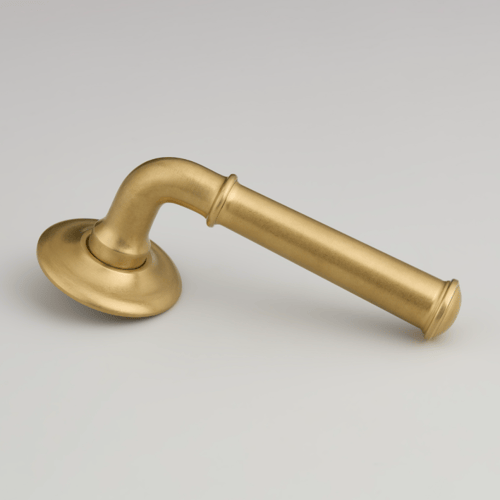
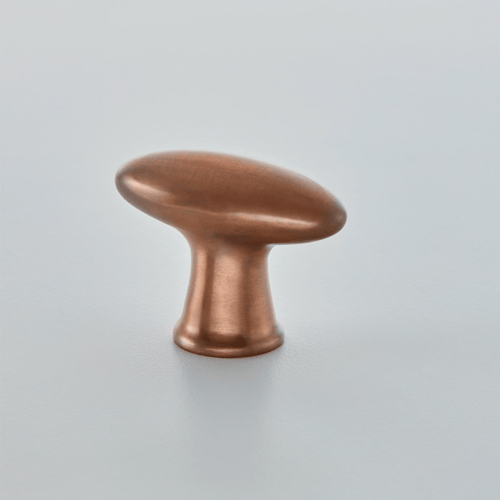
This hardware style is often misunderstood as simply “traditional” or “classic”. In reality, it is defined less by style and more by how well it endures over time. While it may draw inspiration from historic forms, the concept is broader than any single design period.
Timeless door hardware typically avoids features that strongly define a particular trend or era. Highly decorative ornamentation, novelty finishes or unusual shapes can quickly become dated. These designs instead rely on proportion, quality materials and restrained detailing.
Equally, it should not be confused with minimalist hardware alone. Minimalism can be part of a timeless approach, but this design approach does not require complete simplicity. Subtle curves, gentle detailing and balanced proportions can all contribute to a design that feels enduring.
Unlike classic styles, which are rooted in historical reference, this approach is defined by longevity rather than origin. It prioritises continued relevance over stylistic identity, allowing it to adapt across different interior contexts.
## How Timeless Hardware Is Characterised
Several design principles define this type of ironmongery and explain why it remains relevant across different architectural styles.
#### Balanced Proportions
Hardware in this category is carefully scaled to suit the doors, windows or cabinetry it serves. Handles, knobs and pulls should feel visually balanced with the surrounding joinery.
When proportions are correct, hardware appears naturally integrated within the architecture rather than added as a decorative feature.
#### Clarity of Form
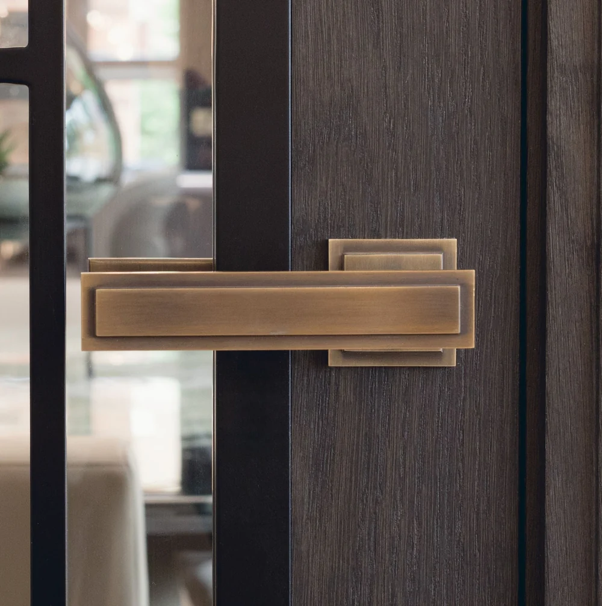
Shapes used in this type of door hardware are typically simple and recognisable. Rounded knobs, softly curved levers and well-defined backplates are common examples.
These forms have remained popular for decades because they are comfortable to use and visually balanced.
#### Material Integrity
Material choice is another defining characteristic. Solid metals such as brass, bronze and nickel are frequently used in this style of hardware because they offer durability and develop character over time. Material selection is guided by performance, longevity and how finishes behave over time within the space.
#### Refined Surface Finishes
Finishes associated with this style tend to be understated and versatile. Finishes such as satin brass, bronze, polished nickel and antique brass are widely used because they complement a wide range of materials and interior palettes.
These finishes add warmth and texture without dominating the design.
## Styles Within Timeless Hardware
Although timeless hardware follows consistent design principles, it can still appear in a variety of styles.
This flexibility allows designers to adapt hardware across different architectural contexts without tying it to a specific period or language.
#### Traditional Influences
Some designs within this category draw on classical or period-inspired forms. Rounded knobs, traditional levers and simple backplates often work well in heritage properties or interiors influenced by Georgian and Victorian design.
These fittings maintain a historical reference while remaining visually restrained.
#### Modern Interpretations
This style can also appear in contemporary forms. Minimalist levers with soft edges or gently curved profiles often feel modern without becoming overly stylised.
Because these shapes are based on proportion and clarity rather than fashion, they continue to feel appropriate even as interior trends change.
#### Adaptable Finishes
One of the most effective ways to adapt timeless hardware is through finish selection. A bronze finish may introduce warmth in a traditional interior, while polished nickel can complement more contemporary spaces.
This adaptability allows designers to maintain the same hardware form across different rooms while adjusting the overall aesthetic.
[](https://www.opitome.co.uk/hs/cta/wi/redirect?encryptedPayload=AVxigLKaorpkuD0kaMuVL0dMeU1HdjSrx8RG7U0kYXLL3KbPJ%2B0%2B%2BopD%2F%2BNuMSD41T26mqWG6sGXjw9uj4QNRFs5z%2BYpWxd3kohq9ozV227LXXF%2BCkick3ZHhyCvAtnkNG8fretmszzdAS1folDpFZ2yciL%2FT6MCrGI9lxFSoSdoaQ5aozT5mPXE7iaAI9FfUKSZaPoUh9OZBuufn3ltE11OZ4Tn4g%3D%3D&webInteractiveContentId=246436977890&portalId=146364361)
## Where Timeless Hardware Works Best
Because this approach focuses on longevity rather than stylistic identity, it can be used throughout an entire property.
#### Entrance Doors
Entrance doors often benefit from hardware that feels substantial and refined. Well-proportioned door furniture provides a sense of permanence that suits the architectural importance of the main entrance.
#### Living Areas
In reception rooms and living spaces, this type of hardware complements architectural elements such as panelling, mouldings and fireplaces without competing with them.
#### Kitchens
Cabinet handles and knobs in understated finishes work particularly well in kitchens. They introduce subtle detail while allowing cabinetry and materials to remain the visual focus.
#### Bedrooms and Dressing Rooms
Wardrobes and fitted furniture benefit from hardware that feels understated and consistent. Timeless ironmongery supports a calm interior environment while maintaining visual continuity throughout the space.
For designers working on luxury residential projects, this versatility makes these ironmongery designs an effective choice when creating cohesive interiors.
## How Opitome Can Help
Specifying timeless hardware involves more than selecting attractive handles or finishes. Every component must work within the wider architectural system while supporting the overall design vision.
At Opitome, we work closely with architects, interior designers and contractors to ensure that ironmongery is specified with both performance and aesthetics in mind.
Our team can assist with:
#### Curating timeless door hardware suited to your project
Curating timeless door hardware suited to your project
#### Coordinating timeless hardware finishes across doors and cabinetry
Coordinating timeless hardware finishes across doors and cabinetry
#### Ensuring compatibility with modern door systems and fittings
Ensuring compatibility with modern door systems and fittings
#### Supporting technical specification and compliance requirements
Supporting technical specification and compliance requirements
#### Maintaining visual consistency throughout a property
Maintaining visual consistency throughout a property
Whether working on a heritage property or a contemporary home designed to stand the test of time, carefully selected ironmongery ensures that every detail contributes to the quality of the finished space, supporting interiors that remain appropriate and well-resolved over time. For more information, please contact us or request a sample.
[](https://www.opitome.co.uk/hs/cta/wi/redirect?encryptedPayload=AVxigLKKHsdUwGlMgf7kG0Jok6AiMNj9AjJSj3q%2FlK%2Bv3jFLPeDKSppaTLeaA9KSzsjfx97EpAFHQPreduDH4vWsxSKJLl%2FeFP2JGkrPOFO5l9T%2B9NQkGzYRCJiRO5yxGmMES2E0yJJsJG4SEAWuvwY%2Bzsyqz%2BMAdDGQrSdVzDehUYsXwitdbQInu3hzlOWqI5EjbQ%2BBa3QiL%2FD%2B6cwBUjtZEuIJ2j3zPJ%2BA&webInteractiveContentId=246444506313&portalId=146364361)
## Considering finishes?
Request a sample
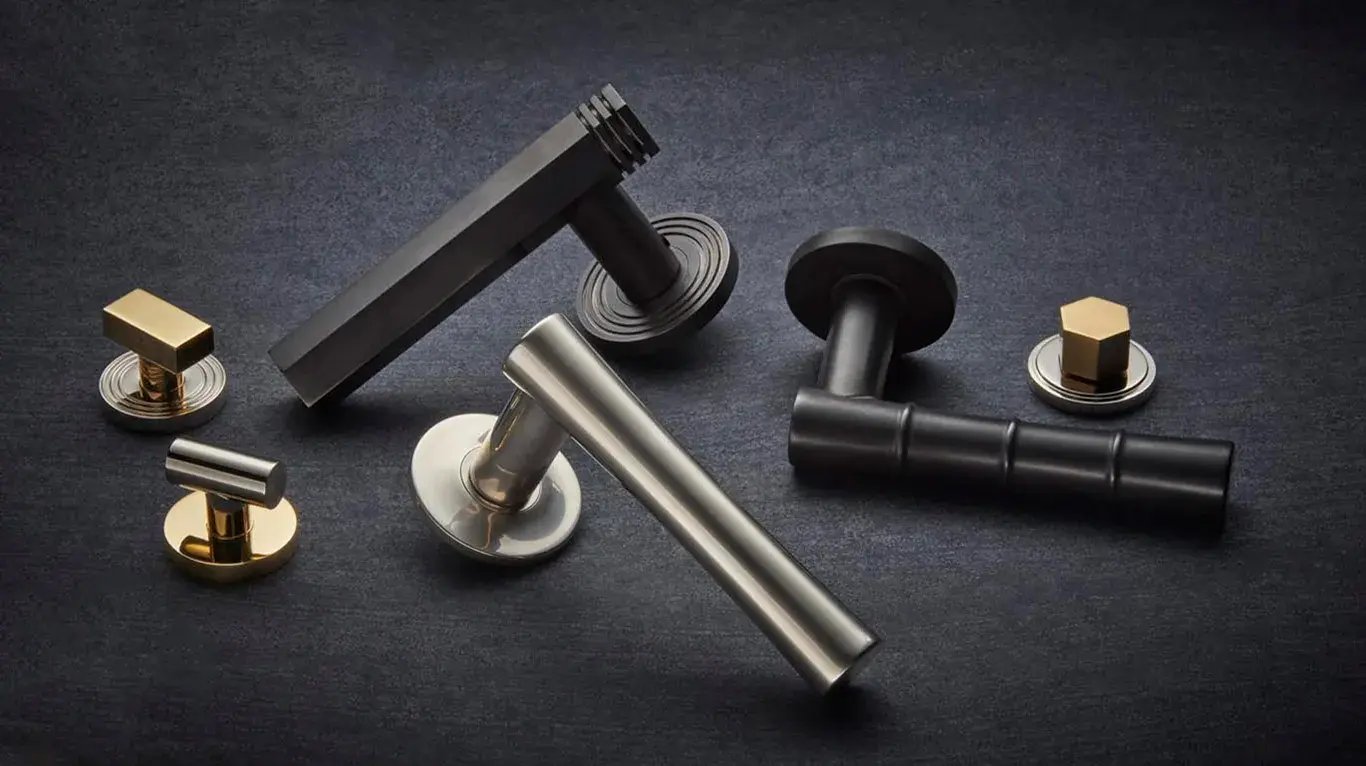
## Recognised for excellence
"We have partnered with Opitome on many projects, and they consistently go above and beyond to deliver high quality service and products. Friendly, responsive, and thorough, they are a pleasure to collaborate with- always bringing a positive, team oriented approach. Their attention to detail, strong client relationships and proactive problem-solving make them an invaluable supplier for any specification and project."
Nada Tayeb
Design Manager/ Associate Architect
"Opitome have supplied us with a huge variety of high end ironmongery from international manufacturers. Their service and communication has always been excellent. Recommended."
Tim Minaker
LDB Construction
"Working in the prime residential market I value customer service, quality of products and a seamless approach to timely supply, which are all the things I have come to associate with Opitome. We have fostered a strong working relationship for over 8 years, and I continue to return to AJ and his team whenever the opportunity presents itself – I know I’m in safe hands with people who care about the projects."
Jack Tutte
Project Manager, Size Group
"Morgan Rae have collaborated with Opitome on the majority of our projects in the last 5 years. The service is exemplary throughout the project lifecycle regardless of the scale, and their technical knowledge at the front end is a real added value for us and the wider consultant team."
James Rae
Morgan Rae
"I’ve been working with Opitome for over 10 years now, and from the moment I met AJ, it was clear he was exceptionally knowledgeable, diligent, and highly effective in client-facing roles — whether with architects or private clients. Opitome brings a solutions-driven approach to every project, always willing to go the extra mile to find practical, effective outcomes no matter the challenge. I continue to put Opitome forward for my projects not only because they remain competitive in the market, but more importantly, because of the consistent quality of service they offer — from initial design discussions with architects and clients, right through to the joiners installing the ironmongery on site."
Mike Chivers
ACT Developments Ltd
"Have worked with a number of ironmongery supplier over the past twenty years, I gravitate to Optiome because of their knowledge, usability and professionalism. They have always go above and beyond to find a resolution, when required and because of this I always will use Optiome."
Kieron Collins
Savile Browns
## Exquisite Architectural Hardware
For designers who live and breathe detail, hardware is never an afterthought; it is the finishing touch that defines a space.

### Let's Refine the Details Together
Whether you're designing a luxury residence or managing a complex architectural project, the hardware matters, and so does the guidance behind it.
#### Book a meeting with us today
Discuss your project requirements, drawings, or specifications
Expert advice on finishes, functionality, and compliance
Recommend hardware solutions that balance form and function
Identify opportunities for customisation or premium detailing
Act as your hardware concierge, ensuring every detail aligns with your design intent
Simply use the calendar to book your discovery call, and let’s get the details right.
## Exquisite Architectural Hardware
For designers who live and breathe detail, hardware is never an afterthought. It is the finishing touch that defines a space.
### Let's Refine the Details Together
Whether you're designing a luxury residence or managing a complex architectural project, the hardware matters. So does the guidance behind it.
Our concierge-style support ensures every detail aligns with your vision. Simply book your discovery call using the calendar and we'll take care of the rest.
## Our journal
[](https://www.opitome.co.uk/hs/cta/wi/redirect?encryptedPayload=AVxigLLcIVjYl%2Ba3BWg8C0%2FXIvG%2Fa5cObHvE70IrNsJMScdPJw%2FZJ6aEG9SWrkYF7xEyO8%2Fx7vg1vNRTCvPpOfzDAoMSsrkV60QB8jl3yAcsGZAo58MipILimt8BSXlh1WV8aGuCBDUCOtnkQjnRX6ohKQ7DmjbApjEpBeOJ81S5tmXkmeL2modT4uH2JPALmHPKwobAeCd25w%3D%3D&webInteractiveContentId=270482513094&portalId=146364361)
[Browse the latest blogs](https://www.opitome.co.uk/blog)
[How the Natural Oxidation of Georgian Door Furniture Complements Earthy Colour Palettes](https://www.opitome.co.uk/blog/natural-oxidation-georgian-door-furniture)
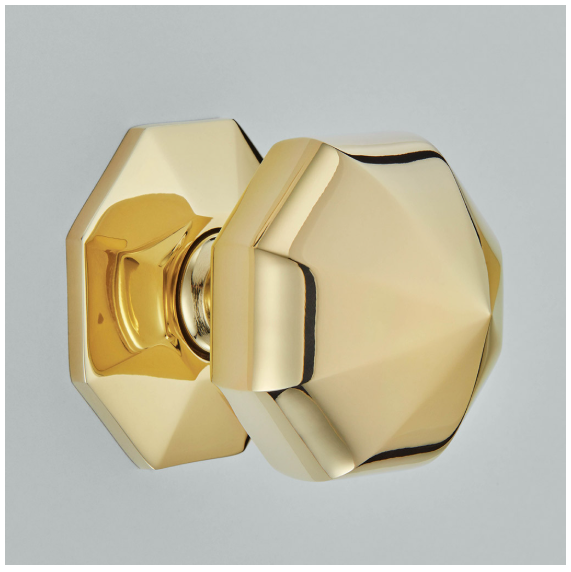
#### How the Natural Oxidation of Georgian Door Furniture Complements Earthy Colour Palettes
Sep 24, 2026, 11:00:01 AM 1 min read
[Can Sunlight Alter the Appearance of Your Luxury External Door Handles?](https://www.opitome.co.uk/blog/sunlight-affect-external-door-handles)
#### Can Sunlight Alter the Appearance of Your Luxury External Door Handles?
Sep 15, 2026, 11:00:01 AM 1 min read
[Why Designers Are Using Cabinet Hardware to Introduce Texture and Contrast ?](https://www.opitome.co.uk/blog/cabinet-hardware-texture-contrast-interior-design)

#### Why Designers Are Using Cabinet Hardware to Introduce Texture and Contrast ?
Sep 10, 2026, 11:00:00 AM 1 min read

Opitome Ltd, The Busworks, 39-41 North Road, London, N7 9DP
T: [0808 502 2881](tel:%200808%20502%202881)
E: [curious@opitome.co.uk](mailto:curious@opitome.co.uk)
VAT Number: 175 4946 69
Company Number 8701538
About
- [About us](https://www.opitome.co.uk/about-us)
- [Contact us](https://www.opitome.co.uk/contact-us)
- [Sustainability](https://www.opitome.co.uk/sustainability)
Design services
- [Hardware](https://www.opitome.co.uk/architectural-design-hardware)
- [Handles](https://www.opitome.co.uk/bespoke-door-handle)
- [Door Knobs](https://www.opitome.co.uk/luxury-door-knobs)
- [Cabinet Handles](https://www.opitome.co.uk/architectural-cabinet-handles)
- [Window Hardware](https://www.opitome.co.uk/luxury-window-hardware)
- [Wardrobe Rail Hardware](https://www.opitome.co.uk/wardrobe-rail)
Interior Styles
- [Classic Styles](https://www.opitome.co.uk/classic-styles)
- [Timeless Period](https://www.opitome.co.uk/timeless-period)
- [Art Deco](https://www.opitome.co.uk/art-deco)
- [Georgian hardware](https://www.opitome.co.uk/georgian-hardware)
Resources
- [Inspiration](https://www.opitome.co.uk/inspiration)
- [Halliday + Baillie](https://www.opitome.co.uk/halliday-baillie)
- [Blog](https://www.opitome.co.uk/blog)
- [FAQs](https://www.opitome.co.uk/frequently-asked-questions)
Copyright © 2026 Opitome Ltd. Designed & developed by [JDR Group](http://www.jdrgroup.co.uk)
- [Terms](https://146364361.hs-sites-eu1.com/terms-and-conditions)
- [Privacy](https://146364361.hs-sites-eu1.com/privacy-policy)
- [Cookie](https://146364361.hs-sites-eu1.com/cookie-policy)
```json
{
"@context" : "https://schema.org",
"@type" : "LocalBusiness",
"address" : {
"@type" : "PostalAddress",
"addressCountry" : "UK",
"addressLocality" : "London",
"postalCode" : "N7 9DP",
"streetAddress" : "The Busworks, 39-41 North Road"
},
"alternateName" : "Opitome Ltd",
"contactPoint" : {
"@type" : "ContactPoint",
"areaServed" : "GB",
"availableLanguage" : "en",
"contactType" : "customer service",
"telephone" : "0808 502 2881"
},
"geo" : {
"@type" : "GeoCoordinates",
"latitude" : 51.5497,
"longitude" : -0.1186
},
"image" : "https://www.opitome.co.uk/hs-fs/hubfs/Opitome%20white%20logo.webp",
"logo" : "https://www.opitome.co.uk/hs-fs/hubfs/Opitome%20white%20logo.webp",
"name" : "Opitome Ltd",
"openingHours" : [ "Mo 08:30-17:00", "Tu 08:30-17:00", "We 08:30-17:00", "Th 08:30-17:00", "Fr 08:30-17:00", "Sa Closed", "Su Closed" ],
"priceRange" : "£",
"sameAs" : [ "https://www.instagram.com/opitome_ltd/", "https://uk.linkedin.com/company/opitome-ltd" ],
"telephone" : "0808 502 2881",
"url" : "https://www.opitome.co.uk/"
}
```