



For architects and interior designers, classical ironmongery offers a dependable design language that works across both traditional and contemporary interiors. Unlike other approaches, classic hardware is rooted in specific historical design language, particularly classical architecture.
Understanding its historical basis and how it differs from more generalised approaches helps ensure that every element of a project feels coherent and architecturally aligned.

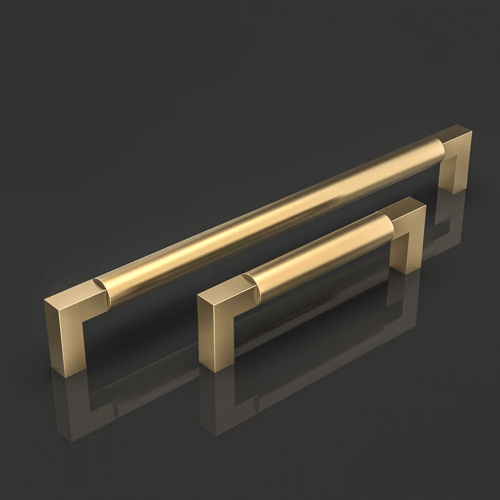
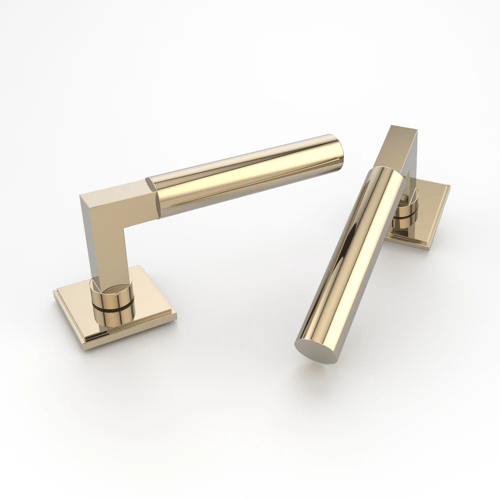
What Is Classic Hardware?
Unlike more expressive historical styles or modern experimental designs, this type of ironmongery maintains a clear connection to established architectural precedent.
Door handles, cabinet pulls, hinges and other fittings within this category are typically designed to feel familiar and well-balanced. Their purpose is not to dominate a space but to complement the surrounding architecture and joinery.
Because of this approach, these fittings maintain their relevance through consistent use in architectural design, even as interior design preferences evolve.
How Classic Hardware Is Characterised
Several key characteristics define classical ironmongery and distinguish it from other hardware styles. These characteristics are typically drawn from historical precedent rather than evolving design interpretation.
Proportion and Balance
These fittings are carefully scaled to suit the doors, windows or cabinetry it is attached to. Handles and fittings are designed so that their size and shape feel appropriate to the surrounding joinery.
This attention to proportion helps hardware blend naturally into a space rather than drawing unnecessary attention.
Simplicity of Form
While some historical hardware styles feature elaborate ornamentation, this style usually favours simpler shapes.
Curved levers, oval knobs and well-defined backplates are common forms. These shapes feel structured and balanced without appearing overly decorative.
Subtle Detailing
Examples may include:
- gently stepped edges
- softly curved profiles
- finely crafted backplates
- balanced proportions between handle and base
These subtle elements provide refinement while maintaining the overall simplicity of the design.
High-Quality Materials
These materials often age naturally, forming a patina that enhances their appearance rather than diminishing it.
Forms, Finishes and Details
This type of ironmongery can appear in many forms, but certain shapes and finishes are particularly associated with this style.
Lever Handles
Lever handles are among the most common forms of classical ironmongery. They often feature gently curved shapes or rounded profiles that feel comfortable in the hand while maintaining visual balance.
Backplates or roses are typically simple and proportioned to suit the handle.
Cabinet Pulls and Knobs
Cabinetry frequently uses classic cup pulls, round knobs or understated bar handles. These fittings add a subtle layer of detail to kitchens, wardrobes and fitted furniture without distracting from the joinery.
Hinges and Supporting Hardware
Even functional elements such as hinges and locks contribute to the overall aesthetic of a classic interior. Coordinating these components ensures visual consistency across the project.
Finishes
Finishes commonly associated with this style include:
- Polished brass
- Antique brass
- Bronze
- Nickel
- Satin metal finishes
These finishes complement both traditional and contemporary materials, allowing the hardware to sit comfortably alongside timber, stone and painted joinery.

If your project involves specialist glazing or architectural features, we’ll work with you to identify compatible options including concealed fixings, locking mechanisms, or bespoke detailing.
Which Rooms Suit Classic Hardware?
One of the strengths of classic hardware is its versatility. Because it relies on balanced forms and timeless materials, it can be used throughout a property without feeling repetitive.
Entrance Doors
Well-proportioned door furniture often works particularly well on entrance doors, where balanced proportions and solid materials help create a sense of quality and permanence.
Living Rooms and Reception Areas
In rooms featuring panelling, mouldings or fireplaces, this type of hardware reinforces the architectural character of the space.
Kitchens and Utility Rooms
Cabinet pulls and knobs in classic styles are widely used in kitchens, especially where designers want to introduce subtle detail without overwhelming the cabinetry.
Bedrooms and Dressing Rooms
Wardrobes and fitted furniture benefit from the quiet refinement of classical ironmongery. These fittings provide visual continuity while maintaining a calm interior atmosphere.
Because the design language is rooted in proportion and symmetry, it can also translate effectively into contemporary homes where designers want to introduce warmth and timelessness.
How Opitome Can Help
Specifying classic hardware ironmongery involves more than selecting attractive handles or fittings. Hardware must work with the wider architectural system while supporting the design vision of the project.
Opitome works closely with architects, interior designers and contractors to ensure every detail performs as intended.
Our team can support you with:
Curating classical ironmongery that complements your design scheme
Coordinating finishes across doors, cabinetry and joinery
Ensuring compatibility with modern door systems and fittings
Managing technical requirements and compliance considerations
Maintaining design consistency throughout the project
Whether restoring a period property or introducing timeless detail into a contemporary interior, carefully specified classic hardware ensures that every element contributes to the overall design. In architecture, it is often the smallest details that define the quality of a finished space. For more information, please contact us or request a sample.
Recognised for excellence
-mockup.webp?width=251&height=314&name=Optitome-Wardrobe-Fittings-(Wardrobe-Rail-Lookbook-Style-Brochure)-mockup.webp)
Architectural Look Book: A Guide for Architects, Interior Designers and Joinery Specifiers
Refined joinery depends on precisely engineered, finish-coordinated hardware. In bespoke dressing rooms and walk-in wardrobes, the rail system is an architectural detail that shapes both function and feel.
Ready To Get Started
Fill in the details and we will send you a copy.
Exquisite Architectural Hardware
For designers who live and breathe detail, hardware is never an afterthought; it is the finishing touch that defines a space.

Let's Refine the Details Together
Whether you're designing a luxury residence or managing a complex architectural project, the hardware matters, and so does the guidance behind it.
Book a meeting with us today
Discuss your project requirements, drawings, or specifications
Expert advice on finishes, functionality, and compliance
Recommend hardware solutions that balance form and function
Identify opportunities for customisation or premium detailing
Act as your hardware concierge, ensuring every detail aligns with your design intent
Simply use the calendar to book your discovery call, and let’s get the details right.
Exquisite Architectural Hardware
For designers who live and breathe detail, hardware is never an afterthought. It is the finishing touch that defines a space.
Let's Refine the Details Together
Whether you're designing a luxury residence or managing a complex architectural project, the hardware matters. So does the guidance behind it.
Our concierge-style support ensures every detail aligns with your vision. Simply book your discovery call using the calendar and we'll take care of the rest.
Frequently Asked Questions on Premium Window Hardware
The best luxury window handles are defined by material quality, craftsmanship, and long-term performance. We work with a curated selection of British and European manufacturers to specify window hardware that feels refined, functions beautifully, and complements the overall design intent of high-end residential and hospitality projects.
Choosing the right window hardware starts with understanding the wider design scheme. Our team advises on hardware that feels considered within the overall interior, ensuring finishes and forms sit comfortably alongside doors, cabinetry, and other architectural elements.
Window and door handles don’t need to match exactly, but they should be thoughtfully coordinated. We help designers strike the right balance by aligning materials, finishes, or design language, ensuring the hardware feels cohesive without appearing overly uniform.
Luxury window hardware is typically specified in finishes such as solid brass, bronze, polished, and satin metals. We advise on finishes that not only suit the design aesthetic but also perform well over time, taking into account how the hardware will age, be handled, and maintained.
For period and heritage homes, we specify hardware that respects traditional proportions and detailing while meeting modern performance standards. Each component is carefully selected to feel authentic, durable, and seamlessly integrated within the overall design.
At Opitome, we provide fully coordinated, project-specific window hardware schedules as part of our consultancy service. We review drawings and specifications to itemise every component clearly, helping streamline pricing, ordering, and installation while reducing risk on site.
At Opitome, we work closely with joinery teams to ensure every piece of window hardware aligns perfectly with doors, windows, and frames. Our detailed installation guidance and hands-on support help maintain both precise function and a refined finish across your project.
We provide manufacturer-approved fixing instructions for every product, tailored to each window type and design. Our team is available to advise on installation best practices, ensuring hardware is fitted securely, functions smoothly, and complements the overall design intent.
Our journal

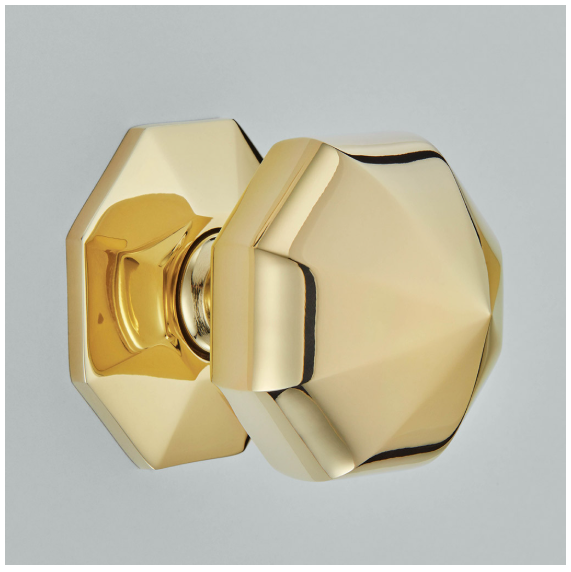
How the Natural Oxidation of Georgian Door Furniture Complements Earthy Colour Palettes
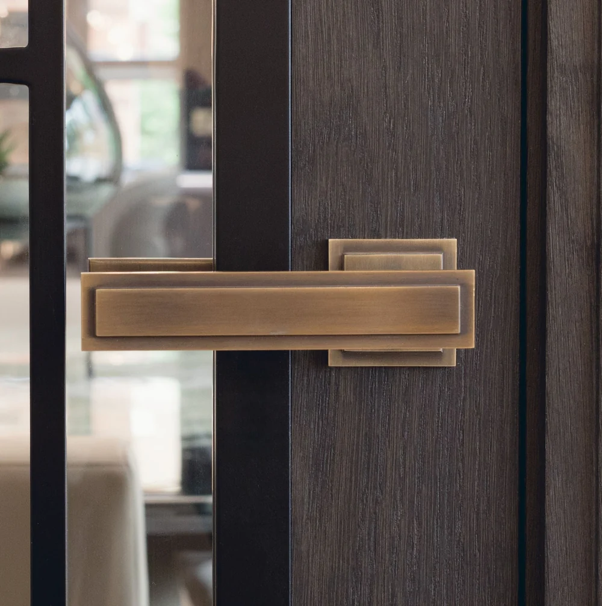
Can Sunlight Alter the Appearance of Your Luxury External Door Handles?
