



In architecture, it is often the elements that receive the least attention that have the greatest impact. Architectural ironmongery sits firmly within this category. Rarely celebrated, yet fundamental to how a building functions and feels, it shapes movement, safety and user experience. Understanding what architectural ironmongery is and why it matters is essential to delivering buildings that are both technically sound and thoughtfully designed.

Architectural ironmongery refers to the functional metal fittings and mechanisms used within a building. These are the components that allow doors and windows to open, close, secure and protect spaces. From handles and hinges to locks, closers and access control hardware, ironmongery is the quiet infrastructure that enables architecture to work as intended.
Defining Architectural Ironmongery
At its core, architectural ironmongery encompasses all the hardware associated with the operation, safety and performance of doors, windows and openings. This includes:
- Door handles and knobs
- Hinges and pivot systems
- Locks, latches and cylinders
- Door closers and control devices
- Window furniture and fittings
- Access control and security hardware
In the context of architectural ironmongery UK standards, these components are subject to strict performance, fire safety and accessibility regulations. Each item must work not only as an individual product, but as part of a fully tested and compliant system.
This is what distinguishes luxury architectural ironmongery from standard hardware. It is characterised by considered material selection, refined detailing and recognised maker provenance, ensuring that every element contributes to a cohesive, well-resolved and enduring design.
The Functional Role Of Ironmongery
Functionality is the foundation of architectural ironmongery. Doors must open smoothly, close safely and perform consistently over time. Locks must provide appropriate levels of security. Closers must control movement to protect users and maintain fire compartmentation. Hinges must carry weight, manage frequency of use and support durability.
In complex buildings, particularly those within commercial, residential or hospitality sectors, ironmongery is integral to meeting legal and safety requirements. Fire-rated doors rely on correctly specified hinges, latches and closers to perform in an emergency. Accessibility standards depend on handle design, operating force and visual contrast. Security strategies are defined by the interaction between locking systems and access control.
When ironmongery is poorly specified or coordinated, the consequences are immediate and costly. Non-compliance, site delays and compromised performance often stem from overlooking these details. When specified correctly, ironmongery works quietly in the background, allowing architecture to perform without interruption.
Ironmongery As A Design Element
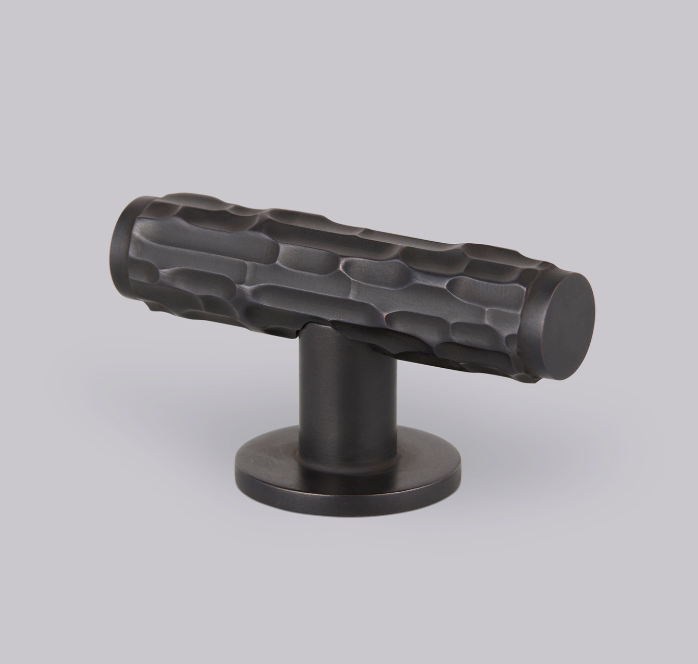
While performance is essential, architectural ironmongery also plays a significant role in design. Every handle, plate and fitting is a touchpoint. It is seen, felt and used repeatedly, making it one of the most tactile elements within a building.
Luxury architectural ironmongery elevates this experience. Proportion, material choice, finish and ergonomics all contribute to how a space is perceived. A well-chosen handle can reinforce architectural language, complement materials and add a sense of refinement without drawing attention away from the wider scheme.
In minimalist interiors, restrained forms and subtle finishes allow ironmongery to blend seamlessly into the architecture. In more expressive or heritage-led spaces, ironmongery can introduce character and texture, supporting the narrative of the building. In both cases, design success depends on thoughtful specification rather than default selection.
Engineering Precision Meets Visual Harmony
Architectural ironmongery sits at the intersection of engineering and aesthetics. Each component must meet rigorous technical requirements while also aligning visually with the design intent of the project. This balance is particularly important for architects working on high-end or complex schemes, where bespoke doors, specialist materials or ambitious detailing are involved.
Specifying ironmongery requires an understanding of how components interact as a system. Handle design must be compatible with lock mechanisms. Hinges must align with the door weight and construction. Finishes must remain consistent across all elements, including fixings and accessories. These considerations ensure that what is drawn and specified translates accurately into the built environment.
When this balance is achieved, ironmongery enhances both usability and architectural coherence. It supports longevity, reduces maintenance issues and contributes to a building that feels resolved and considered.
Why Architectural Ironmongery Matters
Luxury architectural ironmongery is often described as a finishing detail, but in reality, it is a foundation of good design. It underpins safety, accessibility and durability while shaping how people interact with a space. Its impact is subtle, but its importance is undeniable.
For architects, understanding what architectural ironmongery is and how it should be specified is key to delivering buildings that perform as well as they look. It is not simply about selecting products, but about coordinating systems, managing compliance and ensuring design intent is maintained through to completion.
This is why specialist support is so valuable. Working with ironmongery specialists allows architects to navigate complexity with confidence, ensuring that every detail is aligned, compliant and thoughtfully resolved.
A Quiet Foundation Of Design Excellence
Architectural ironmongery may not be the most visible aspect of a project, but it is one of the most consequential. It unites form and function, engineering precision and visual harmony, craftsmanship and compliance.
When specified with care, it becomes invisible in the best possible way, allowing architecture to function beautifully and effortlessly. When overlooked, its absence is immediately felt.
Our team works with architects from concept to completion, providing specialist architectural ironmongery UK expertise with a considered, design-led approach. Book a discovery call to discuss your project.
Image source: Frank Allart

.jpg)
Why Ironmongery Matters In Modern Design

The Art Of Hand-Crafted Ironmongery: The Process Behind
No Comments Yet
Let us know what you think