



In high-end residential interiors, the relationship between a door and its architectural fittings dictates the character of a room. A door is more than just a functional room divider as it also provides structure, vertical rhythm and tactile entry to a space. Specifying traditional door hardware requires a clear understanding of how handle profiles, backplate proportions and metallic finishes respond to the character, scale and joinery details of the door leaf itself.

Whether working with grand period panelling, understated shaker joinery or rustic timber planks, selecting cohesive door hardware elevates a scheme. When hardware matches the physical scale and period of the door, it enhances the joinery rather than competing with it.
Aligning Hardware Design with Architectural Door Styles
A successful ironmongery choice relies on harmony between handle geometry and door construction. Traditional joinery styles vary significantly in visual weight, rails and moulding profiles, requiring carefully scaled and proportioned fittings.
- Georgian Six-Panel Doors: Georgian architecture emphasises classical symmetry and refined proportions. Matching these doors with elegant octagonal mortice knobs or understated brass rim latches maintains historic integrity. The handle should sit comfortably on the mid-rail without overcrowding the surrounding moulding.
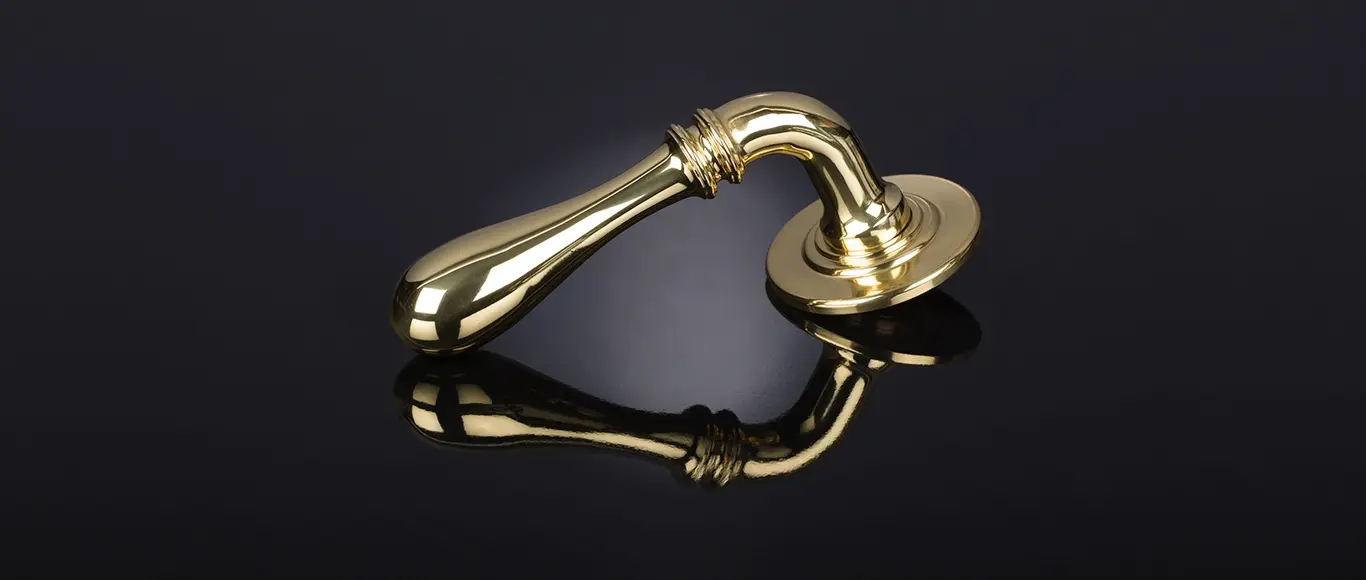
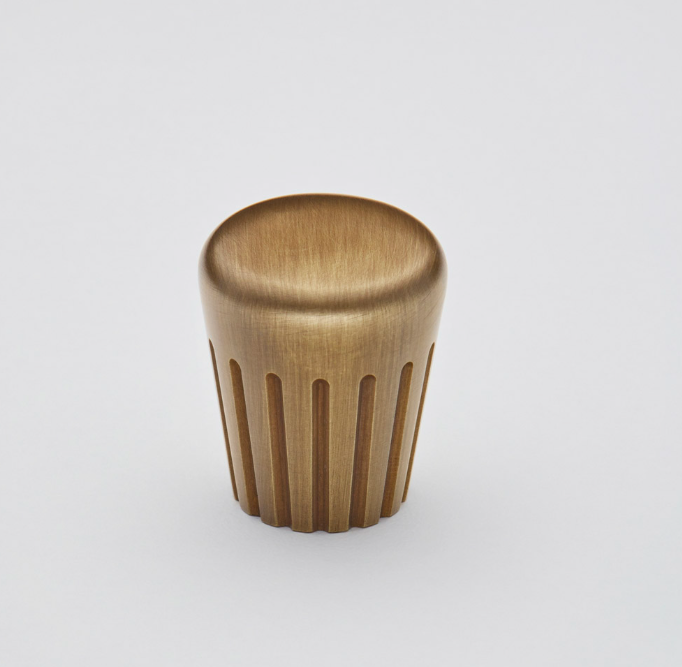
- Victorian Four-Panel Doors: Victorian joinery often features bolder mouldings and deeper stiles. Substantial lever handles on decorative backplates or reeded brass knobs suit these stiles, balancing the heavier visual weight of the door.
- Cottage Ledge-and-Brace Doors: Rustic, planked timber doors demand tactile simplicity. Pairing ledged doors with hand-forged iron thumb latches or patinated bronze pull handles creates an authentic, grounded feel.
When designers select traditional door handles, evaluating the door's moulding details ensures that backplates or roses sit flush without encroaching on raised beads, panel slips or chamfered edges. Taking time to review handle dimensions against stile widths prevents awkward visual overhangs and ensures the final fitting feels purposefully integrated into the joinery.
Practical Factors Influencing Hardware Selection
Beyond visual style, physical factors such as timber density, door leaf weight and operational requirements influence hardware selection. Specifying beautiful fittings means little if the underlying mechanisms do not support the door's daily function or accommodate its physical dimensions.
Heavy solid oak, dense hardwoods or tall double doors require robust internal latch mechanisms and high-grade engineered hinges. Heavy doors benefit from sprung traditional door handles or sprung mortice knobs, ensuring the lever returns smoothly to a horizontal position without putting undue strain on the internal latch spring over years of frequent use.
Door thickness and stile width also dictate hardware compatibility. Oversized period doors or fire-rated entrance doors often require extended spindle lengths and specialised lock cases. For projects with strict acoustic or fire compliance demands, ensuring that internal latch cases accept intumescent protection pads guarantees safety without altering the external aesthetic. Considering these technical details early in the specification process prevents last-minute compromises on site during installation.
Creating a Harmonious Hardware Schedule Across Schemes
Creating a cohesive interior scheme does not require installing identical fittings on every single door. Instead, thoughtful variation within a shared material language builds depth, visual interest and a clear sense of order throughout a house.
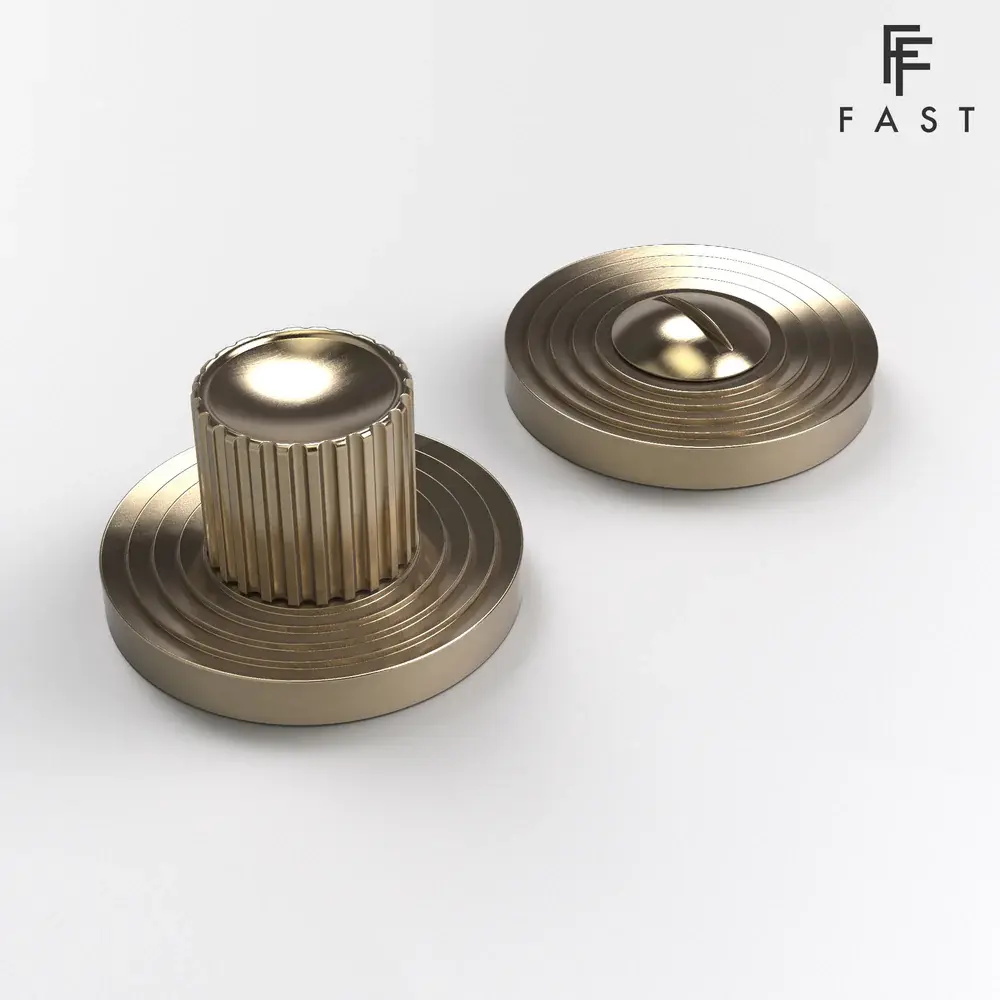
For example, primary reception doors may feature large mortice knobs on backplates, while secondary service doors, ensuite bathrooms or fitted dressing room wardrobes utilise matching turn knobs or smaller cabinet pulls in the exact same finish. This layered approach establishes a clear visual hierarchy throughout the property while maintaining tonal consistency across every threshold.
Finishes also connect traditional door hardware to surrounding interior elements, joinery stains and soft furnishings:
- Unlacquered Brass: Complements painted joinery in rich heritage colours like olive green, deep navy and madder red, developing a natural patina through daily use.
- Patinated Bronze: Adds grounding contrast against light oak, natural stone tile or lime-washed plaster walls, bringing subtle depth to quiet schemes.
- Polished Nickel: Offers a subtle warm metallic accent that bridges traditional joinery with contemporary sanitaryware or decorative lighting fixtures.
By considering door proportions, weight, operational requirements, and finish relationships together, designers can select fittings that feel appropriate and entirely natural within the space.
Streamlining Ironmongery Specification with Opitome
Compiling a comprehensive ironmongery schedule for a large residential project involves coordinating hundreds of individual components, from hinges and latches to thumb turns and door stops. Managing lead times, technical compatibility and client sign-offs under tight project deadlines can quickly become challenging.
At Opitome, we act as a dedicated specification partner to interior designers, architects and specialist contractors. We assist with hardware schedules, supply physical finish samples for client presentations and ensure every specified piece meets exact technical standards while aligning with your wider design vision.
Choosing the right traditional door handles ensures your joinery remains both visually inspiring and technically sound for years to come.
Partner with Opitome on Your Next Project
Selecting the ideal door hardware to complement bespoke joinery requires precision, design sensitivity and reliable technical support. At Opitome, we help interior designers deliver fully coordinated, beautifully detailed ironmongery packages tailored to your project's unique requirements.
Whether you need assistance matching period profiles, coordinating living finishes or preparing a complete door schedule, contact our concierge to discuss your upcoming specification needs.
Image Source: Kings Handles
History Of Door Handles: How A Simple Detail Shaped Design History
Why Even The Smallest Door Handle & Hinges Details Can Make A Difference?
No Comments Yet
Let us know what you think